How the content you publish on day one quietly decides how full the floor is on day three.
Most fairs treat content like a wrap-up task. Photos get sorted, clips get trimmed, and the “real” recap goes out a week after the last badge is scanned — once everyone has flown home and moved on to the next thing on their calendar.
That habit makes sense for a one-day event, where there’s no “tomorrow” left to influence. It’s the wrong habit for a multi-day fair. When your event runs for three, four, or five days, the content you publish on day one isn’t just a record of what happened — it’s still able to change what happens next. Someone deciding whether day two is worth the trip. An exhibitor deciding whether to extend their stand hours. A visitor weighing a second visit against a competing show across town. Same-day content can reach all of them while the decision is still open. A recap published after closing can only reach them after the decision is already made.
This isn’t hypothetical. Istanbul’s own fair calendar sets up the exact scenario this August: IFCO – Istanbul Fashion Connection runs August 19–21, and F İstanbul, Turkey’s food and food-technology fair, follows just days later, August 26–29 — both multi-day shows, both staged at the Istanbul Expo Center. For any exhibitor or organizer working either floor, the same math applies: what gets published on day one still has time to shape who walks in on day two or three, while the show is still open enough to act on it.
The Advantage Only Multi-Day Fairs Have
A single-day conference and a delayed recap share the same structural problem: by the time the content exists, the audience has nothing left to act on. They can like it, comment on it, maybe note interest for next year — but they can’t change their Tuesday.
A multi-day fair breaks that rule entirely. Content from the opening morning can still reach:
- People who haven’t left for the venue yet and are deciding which day to attend
- Visitors who came once and are weighing whether a second day is worth it
- Exhibitors and sponsors who can reshare it while their own stand traffic is still building
- Local press or industry accounts deciding what’s worth covering before the show closes
Framed this way, day one’s content is really marketing for day two. Day two’s content is marketing for day three. Every day of a multi-day fair is simultaneously the subject of today’s content and the audience for tomorrow’s. That loop is the single biggest reason same-day content consistently outperforms even a beautifully produced recap — it’s doing a job the recap structurally cannot do.
It also matters because multi-day events have a well-known energy problem: turnout and buzz tend to peak mid-run and taper toward the final day, as early excitement fades and schedules pull people away. Same-day content is one of the few levers that directly counters that taper — a fresh reason to show up, published while there’s still a “tomorrow” to show up for.
Why “Same-Day” Beats “Well-Produced but Late”
Three things happen once a fair stops being current, and all three work against delayed content.
Attention decays fast. Interest in an event is highest while it’s happening and drops sharply once it’s over. A polished highlight video that lands a week later is competing with everything else in someone’s feed. A slightly rough clip posted mid-morning on day one is competing with almost nothing — it’s the only thing happening at that exact venue, at that exact hour.
Most platforms are built to surface what’s current. Without getting into the mechanics of any one platform, the general pattern holds across social channels: content tied to something happening right now tends to get more initial visibility than the same content published after the fact, once there’s no live signal attached to it. That window closes the moment the event stops being current.
FOMO has a shelf life. The feeling that pulls someone toward a same-day ticket or a walk over to a stand — this is happening right now and I’m not there — only exists while the fair is still running. A late recap can make someone wish they’d come. Only same-day content can make someone come.
What Waiting Actually Costs You
Here’s the failure mode most fairs fall into without noticing: the team captures strong material all day, it sits untouched in a camera roll or shared drive, gets properly edited over the following week, and ships five to ten days after the fair has already closed.
By then, three things have quietly happened. Exhibitors have packed up and moved on to their next priority, so they’re far less likely to reshare it. The moment itself has gone cold — nobody’s actively deciding anything about this fair anymore. And the only call-to-action left is “see you next year,” instead of “come tomorrow” or “there’s still time today.”
None of this is an argument against the polished recap. It’s an argument for understanding that it does a different job. The recap is for long-term proof: search visibility, sponsor reporting, next year’s sales deck. Same-day content is for the job only it can do — moving people, bookings, and stand traffic this week, while the fair is still open.
A Practical Same-Day Content Workflow
Assign ownership before the fair starts. One person, or a small rotating pair, owns “today’s content” as a job distinct from whoever is building the long-form recap afterward. Without a named owner, same-day content is the first thing that slips when the floor gets busy.
Work from a shot list, not a wish list. Give the on-site team three to five concrete things to capture each day — a packed-aisle shot, a live demo clip, a genuine visitor reaction, a queue that signals popularity, a first look at something new. Specific and small beats “get some good content.”
Publish in short bursts through the day, not one big dump at closing time. Post around the moments that already have natural attention — doors opening, the midday peak, a scheduled highlight like a launch or panel, and a short wrap as the hall empties. This mirrors how attendees themselves are actually checking their phones.
Write like it’s still happening. Present tense, the day number, and one clear answer to “what does this mean if you’re deciding about tomorrow.” That’s what separates a same-day post from a recap posted early.
Get exhibitors a same-day asset they can reshare. A quick photo or clip handed to a stand team by early afternoon gets reposted while their own traffic is still building — free extra reach that a week-later recap can never buy back.
Save the polish for afterward. Let daily content stay a little rough around the edges. Reserve careful editing, sponsor-ready video, and the SEO-optimized wrap-up for the days after the fair closes, when that content’s real job — long-term proof and next year’s pipeline — actually begins.
In-House Team, or an Event Production Partner?
Not every organizer or exhibitor has staff free to shoot content all day, every day of a fair. That gap is exactly why Istanbul’s exhibition calendar now runs alongside a layer of specialists built for it: Istanbul event photographers and Istanbul video production teams who cover expos for a living.
If you’re deciding whether to keep coverage in-house or bring in a partner, it usually comes down to two different jobs. Same-day coverage — rough, fast, live within hours — can come from a briefed staff member with a phone, or from an Istanbul event photography team who already knows how to work a show floor without slowing anyone down. The bigger deliverable is different: a full fair video production or expo video production, the kind that becomes a sponsor reel or next year’s sales asset, is worth briefing an Istanbul media production partner on from day one rather than assembling from leftover clips afterward.
This is where an Istanbul aftermovie production earns its budget. A proper expo event film or Istanbul event film needs footage from every day of the show — the quiet setup morning, the packed second day, the last-hour rush — not just day one. A fair aftermovie built from whatever same-day clips happen to exist will always look thinner than one shot against a full, multi-day plan. The same goes for stills: Istanbul event photography, expo photography, and fair photography all hold up better as a planned, multi-day shot list than as an afterthought squeezed in between other tasks.
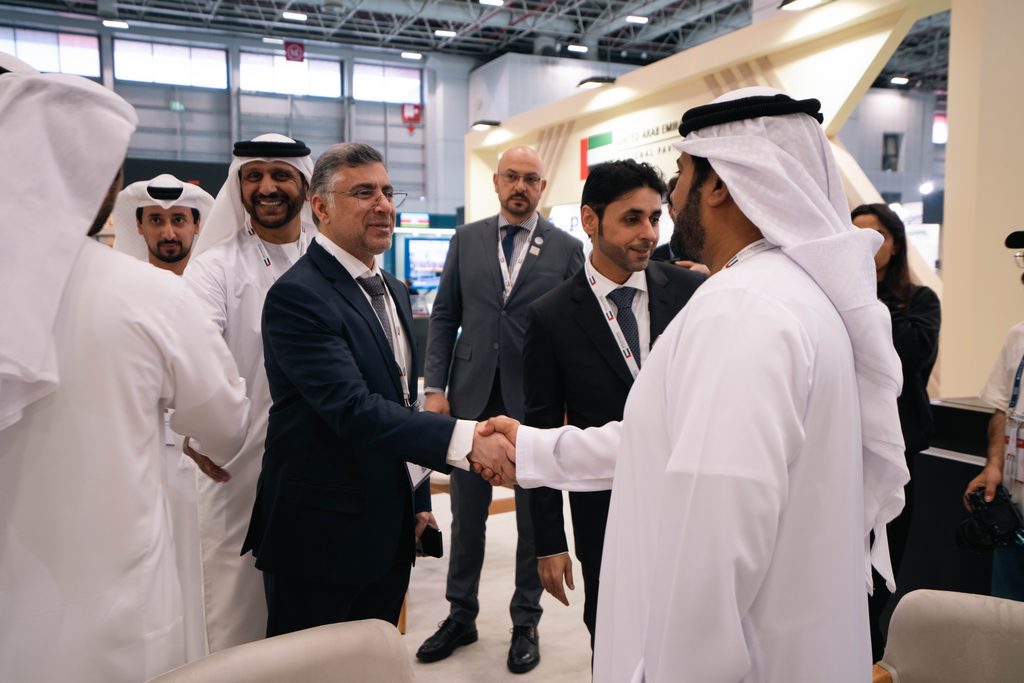
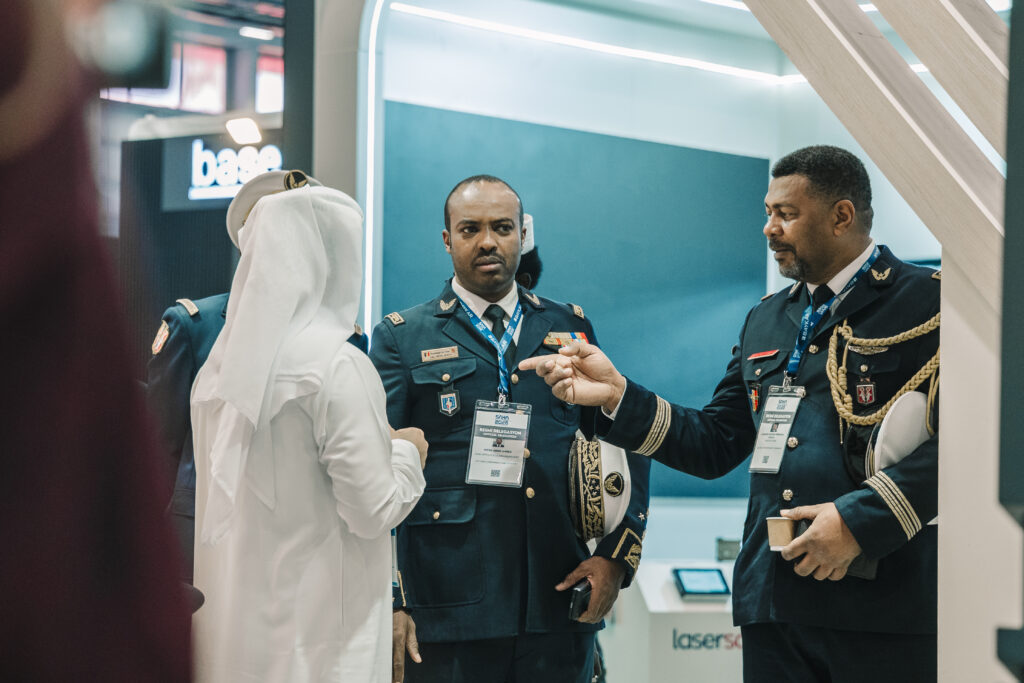
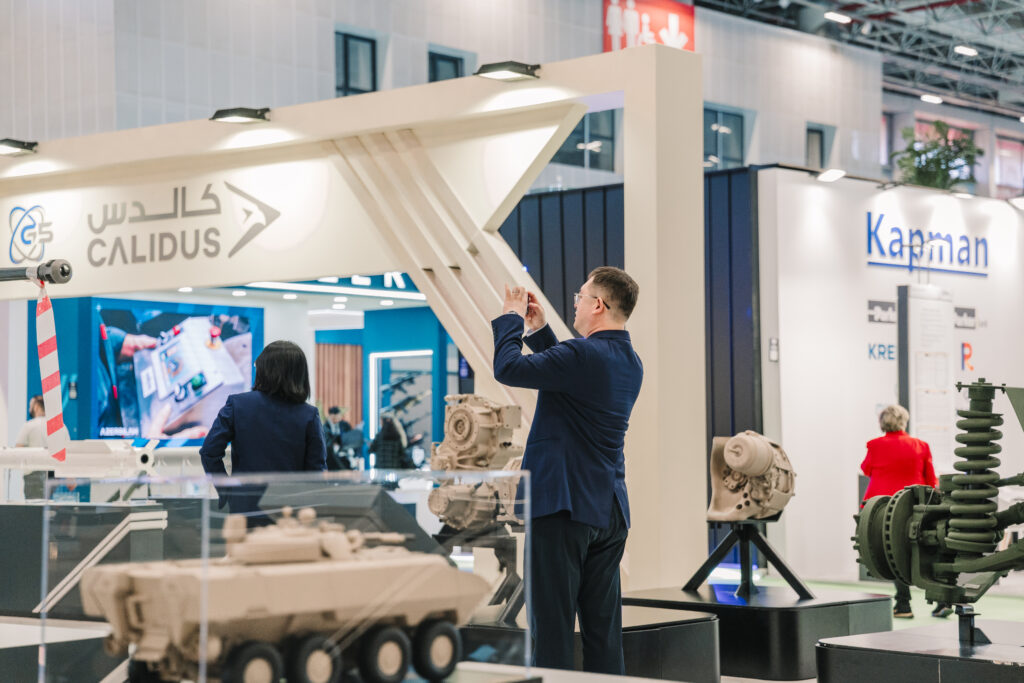
This is what that looks like in practice. At SAHA Expo 2026, a five-day international defense and aerospace exhibition at the Istanbul Expo Center, we ran three different versions of full-run coverage: a dedicated three-person team with TAWAZUN Council across all five days, a brand-integrated crew working inside EDGE Group’s own communications framework, and an 11-person crew covering the entire UAE Pavilion — multiple companies under one roof, close to 1,500 photographs and 30+ video content including aftermovies and fast vertical videos, processed and delivered fast enough for each company to share fresh images while the fair was still running. More examples are in our portfolio.
Mistakes That Quietly Undercut Same-Day Content
- Treating same-day posts as the “lesser” version of the real recap, so they’re the first thing dropped when the team gets stretched
- Waiting for a perfect shot instead of publishing the decent one already on hand
- Publishing without a same-day call-to-action — hours, what’s on today and tomorrow, how to get a ticket — so a great photo has nowhere for the viewer to go
- Never briefing exhibitors that same-day assets are coming, so they don’t know to watch for them or reshare them
Frequently Asked Questions
How soon should you post content during a trade show or fair? As close to the moment as your quality bar allows — ideally within a few hours, not a few days. The goal isn’t perfection; it’s still being useful to someone deciding what to do next, today or tomorrow.
Does same-day content replace the post-event recap? No. They do different jobs. Same-day content drives decisions while the fair is still running — attendance, stand visits, exhibitor reshares. The recap builds long-term proof for search, sponsors, and next year’s sales pitch. A strong fair needs both.
What if we don’t have anyone dedicated to content during the show? Start smaller than seems necessary. One phone, one owner, three posts a day built from a short shot list will outperform an ambitious plan that never gets executed. Add polish and headcount once the habit is running.
Should you hire an Istanbul video production or event photography team for a multi-day fair? If no one on your team can be dedicated to content for the full run of the show, it’s usually worth it. A specialist Istanbul video production or event photography partner already has the access experience, shot list, and turnaround speed same-day content needs — you just have to brief them on what each day’s post is meant to do.
Takeaway
A multi-day fair has something a one-day event and a delayed recap never do: a live audience that can still change its plans based on what you publish today. Treat every day’s content as the pitch for the next day — and let the highlight reel do the job it’s actually built for, once the doors are closed.